

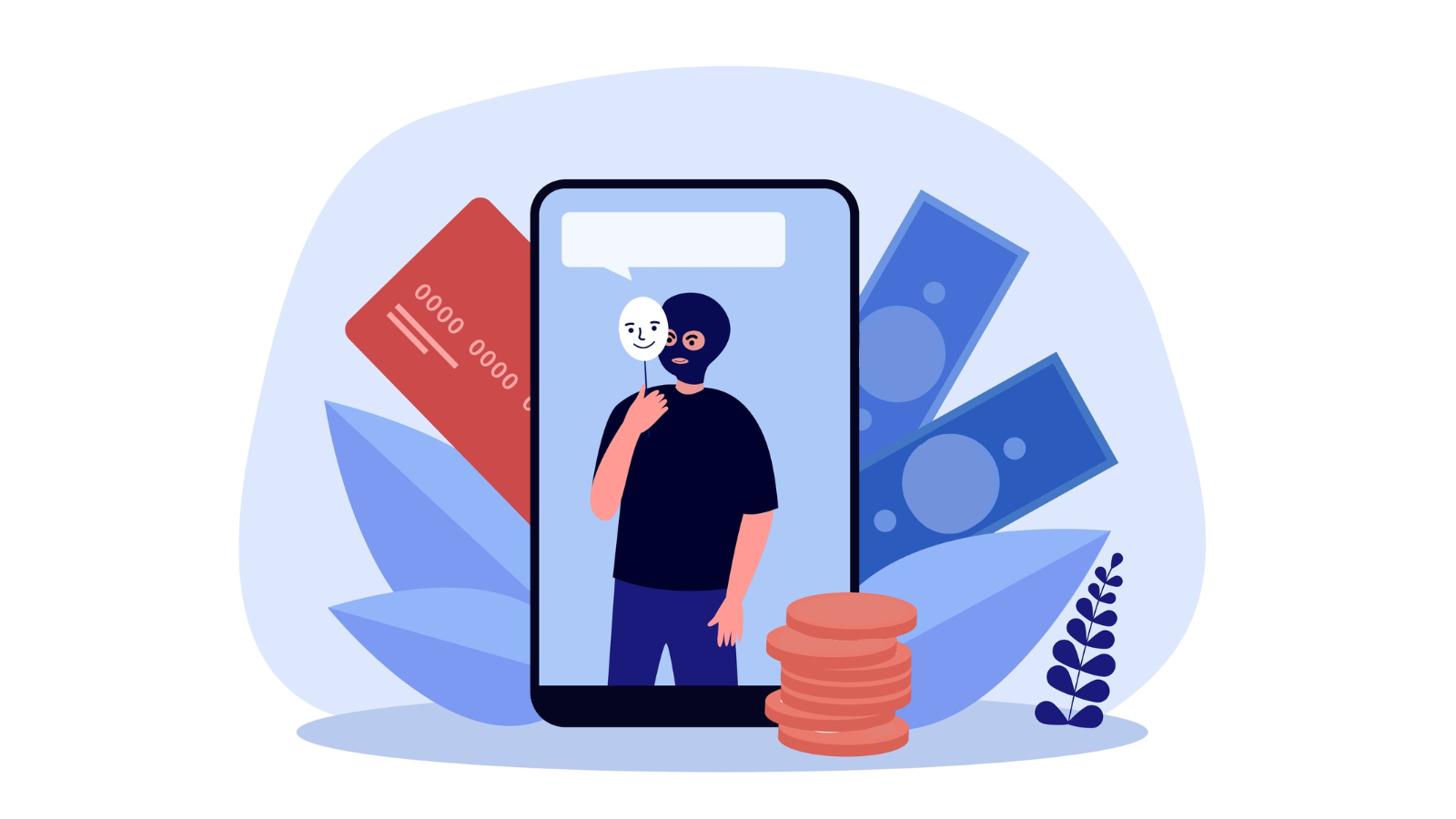
Two men have been arrested in East London after allegedly running a TikTok tax scam leading HMRC to block £153 million in repayment claims.
The two men involved were arrested under suspicion of various offences, including fraud by false representation, unauthorised offences with intent and money laundering.
The suspected TikTok tax scam: What took place?
Users of TikTok have been warned to never share their tax details online after the discovery of a suspected £153 million fraud scam.
Investigators believe the pair used the social media platform to post adverts promising users easy financial rewards in exchange for sensitive tax information, including business VAT registration details or personal self-assessment credentials.
Those details were then allegedly used to submit false tax repayment claims to HMRC on their behalf.
The investigation is ongoing into the alleged scam. However, HMRC’s fraud detection system has already blocked £153 million of repayment claims related to the alleged scam.
Victims of the scam risk being liable to repay the money they owe to HMRC or even face fines or prosecution, according to HMRC.
The pair have been released on bail pending further investigation.
Common tax scams to look out for
Tax scams are continuing to grow in scale and complexity, as more people interact with HMRC through digital channels.
Scammers aim to trick individuals in to revealing personal information that they can use for their own financial gain.
Text and phone call scams are some of the most common ways fraudsters will get information out of victims, but as this case shows, their use of social media is on the rise.
Fraudsters may pretend to be from HMRC and claim that you owe tax and that court proceedings are imminent should you not hand over money or, as in this case, they may offer to reclaim tax payments on your behalf.
HMRC will never threaten arrest, demand immediate payments over the phone or insist on payment via gift cards, cryptocurrency or bank transfer.
Scammers will often use social media platforms to reach out to victims directly. They can directly message you using the platforms own audience tools or post misleading videos claiming you can get easy money or offer a loophole tax rebate.
These strangers will claim they can process large tax refunds in exchange for your Government Gateway login and then split the profits with you for the convenience.
In reality the scammers steal the refund and make victims an accessory to fraud, while you remain legally liable to HMRC for the fraudulent claim and any associated penalties.
HMRC has a dedicated page detailing current information regarding phishing and scams and it encourages taxpayers to report anything suspicious.
You must never share your tax information with anybody online unless it is on the official HMRC website or a registered accountant to avoid facing these issues.
It is okay to refuse, reject or ignore any requests for money or information, only criminals will panic or rush you into sharing information with them.
If you are at all unsure about a communication from HMRC it is best to seek professional advice and support at the earliest opportunity.
How we can help
Tax is something that should be left to a qualified accountant or chartered tax adviser to figure out. If there are legitimate means of reducing your tax liability they will let you know.
If you receive any communications you believe to be fraudulent it is imperative that you report it to HMRC. If you believe you have fallen for victim to a scam, report it to Action Fraud immediately.
Get in touch today for expert tax advice.
