
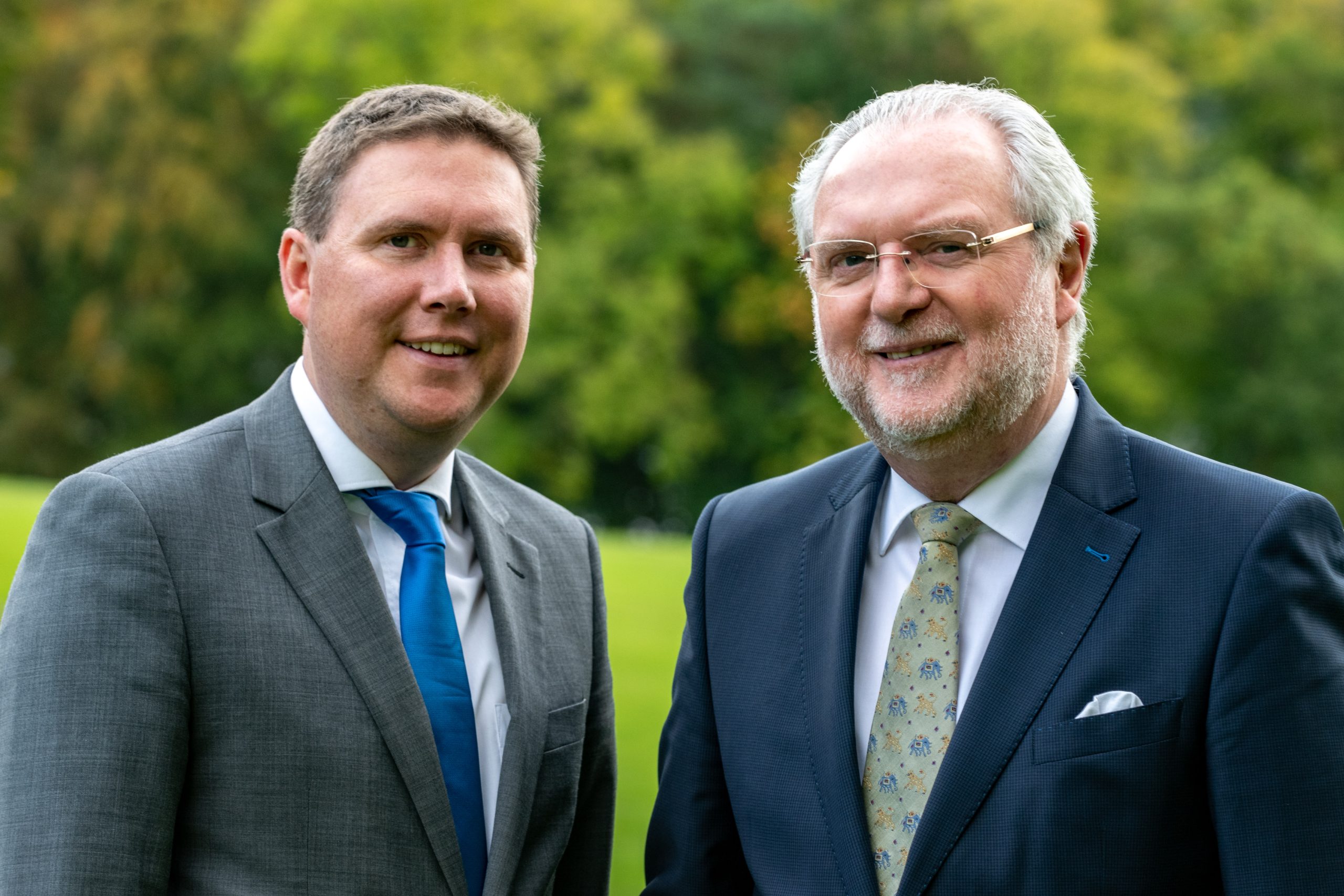
Award winning accountancy firm Lamont Pridmore calls for scaling businesses to be mindful of common tax risks associated with growth.
While many assume that struggling businesses are more exposed to tax risks, growing businesses face their own unique set of challenges.
Effective tax planning becomes more important as a business grows, helping businesses stay efficient at paying tax liabilities, extracting profit and changing structures to match scale.
Chief Executive Graham Lamont identified risks for businesses becoming too caught up in expansion and positioned tax planning as a core strategy for growth.
One of his main observations was businesses becoming too focused on profitability, while falling behind on planning and meeting tax deadlines.
“Tax and growth operate on two very distinct timescales… On the one hand, tax runs to deadlines on a calendar and on the other, growth is demand based,” Graham explained.
He highlighted how businesses need to keep a healthy cash reserve year-round to meet tax liabilities, as poor planning can be a “quiet cause of SME insolvency.”
“Your business might be having a good year, but the tax bill arrives long after profits have been reinvested in stock and equipment, so you need to plan ahead to pay your tax.”
Graham recommended businesses open a separate, high-interest savings account to transfer a fixed percentage of each invoice or sale into, keeping tax cash separate from operations.
He highlighted how reinvesting money back into a business can also create opportunities that growing businesses overlook.
Capital allowances allow businesses to set off certain expenses against their tax bill, often for the year the money is spent.
“Businesses should make the most of their capital allowances by aligning major asset purchases around tax year deadlines, so they can claim all available tax relief,” Graham said.
Another obstacle for scaling businesses is their processes becoming outdated with growth, which can lead to paying extra tax.
He used the example of profit extraction, where a business would continue to take money out the same way they did when they were making less money.
This can be inefficient at higher profit levels and becomes “expensive where there are more tax-efficient options available.”
The mix of salary, dividends, pension contributions and benefits that suited emerging businesses might not be tax optimised when profits rise.
“Planning ahead can allow businesses to work around National Insurance, income tax and corporation tax before accounts are prepared, keeping their options open,” Graham continued.
This means annual allowances can be fully used and income can be kept below thresholds across each year, mitigating any additional charges.
Where a business has outgrown its original legal structure, this can further complicate tax.
According to Graham, “growing businesses that still operate on a sole trader setup may be missing out on a range of corporate tax advantages whilst putting themselves at unnecessary financial risk.”
He explained how your profits continue to be taxed as personal income, pushing a sole trader into higher rates of tax and National Insurance.
“While profits might look good on paper, if the incorrect legal structure is in place, margins can disappear when tax liabilities haven’t been fully accounted for.
“Your liability also remains unlimited which leaves your assets at risk as collateral to business losses, including your home,” Graham warned.
Businesses should also be mindful they need to register for VAT once their rolling 12-month taxable turnover meets the registration threshold of £90,000.
Tax risks also arise from failing to claim what a business is owed, as Graham pointed to research and development tax relief as an example.
“Where businesses are building new systems to keep up with increased demand, they may be doing work that qualifies as research without realising,” he said.
He warned that businesses claiming for the first time need to notify HMRC within a certain time frame after the year end, otherwise claims can be missed.
While Graham acknowledged how easy it is for the administrative side of scaling to lag the profits, he encouraged businesses to take a proactive approach.
“Outsourcing your work to one of our accountants can help free up not only your time, but also extra capital that would be otherwise tied up in inefficient tax planning.
“Where the due diligence has been taken to make sure you can handle growth tax-efficiently, you can feel confident your business is achieving its full potential,” Graham concluded.