

Leading family-run accountancy firm, Lamont Pridmore, has said business confidence across the North West and the wider UK has fallen sharply, as the fallout from global uncertainty adds to the heavy tax and cost burden on companies.
The Cumbrian-based firm, which serves clients across the North West, is sharing the latest results from the Institute of Chartered Accountants in England and Wales (ICAEW) Business Confidence Monitor (BCM). It reveals that national business confidence has dropped to its lowest level in almost four years.
According to the Q2 2026 findings from the ICAEW, the national confidence index fell to -14.6. This is its weakest reading since Q4 2022 and the sixth consecutive quarter in negative territory, which matches the longest run of negative sentiment since the global financial crisis.
The sharp decline follows the outbreak of the Iran War and the subsequent closure of the Strait of Hormuz, which sent energy prices soaring and disrupted supply chains.
Geopolitical risk was cited as a growing challenge by 65 per cent of firms surveyed, making it the highest proportion of any factor measured.
The North West recorded the largest fall in confidence of any UK region during the quarter, despite the region’s businesses having previously outperformed the national picture on profit growth, capital investment and domestic sales.
The confidence swung from +9.9 to -14.3, which is a 24.2-point drop in a single quarter, sitting below its own historical average of +5.6 and positioning it in line with the national average of -14.6.
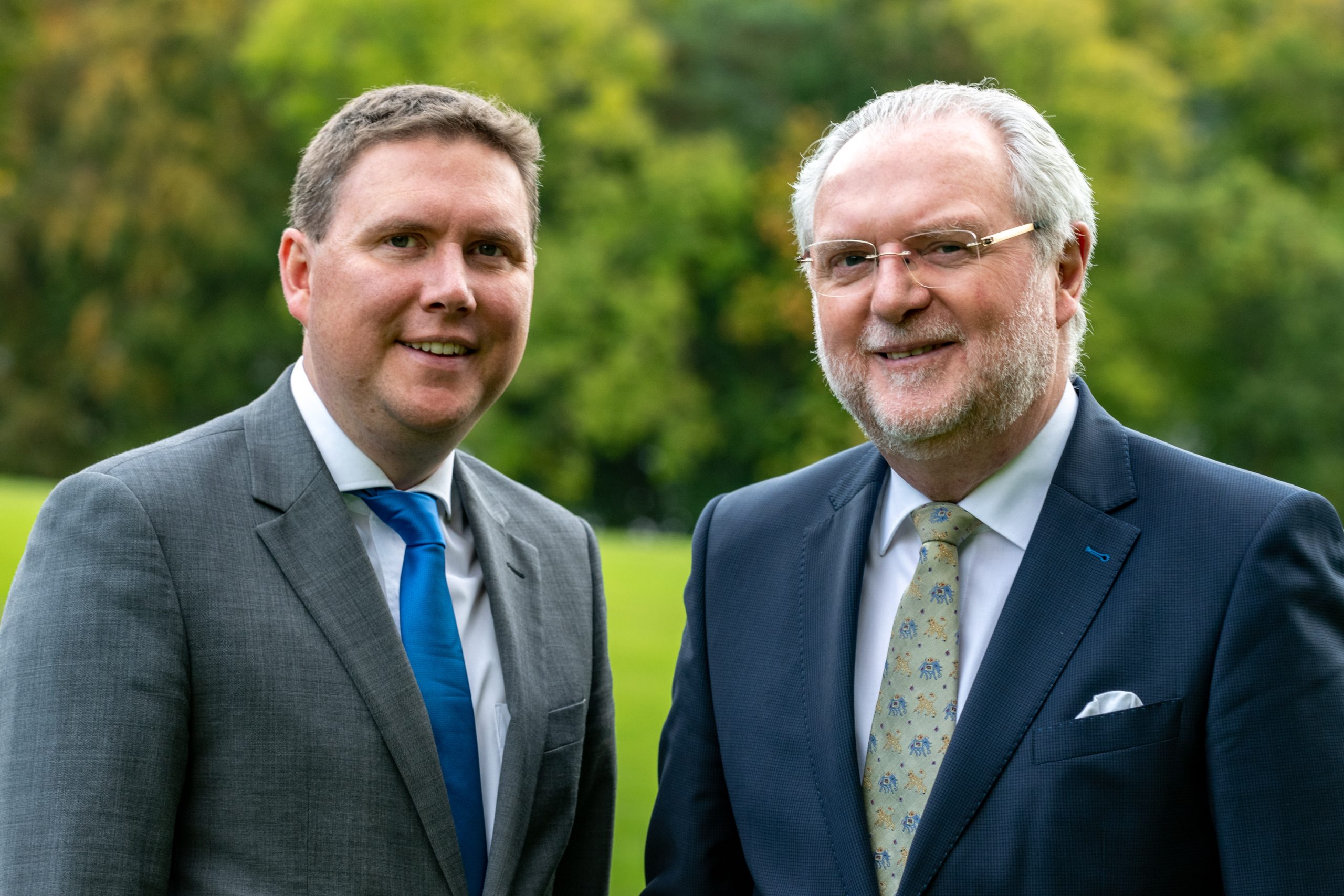
Graham Lamont, Chief Executive of Lamont Pridmore, said: “These figures confirm what many of our clients have been telling us. Just as businesses were starting to feel more settled, the conflict in the Middle East has knocked confidence again and the impact on energy costs is being felt right across the region.
“Our clients are resilient and used to handling uncertainty, but this is now a sixth successive quarter of negative sentiment nationally.
“Combined with rising employment costs and an unforgiving tax burden, many owners are understandably cautious about their plans for the year ahead.”
The latest BCM, which surveyed 1,000 ICAEW Chartered Accountants, highlights that late payment concerns – an ongoing complaint of many SMEs – reached a regional five-year high and was cited by 24 per cent of businesses.
This is unsurprising given that input price inflation rose to 4.1 per cent, with firms planning further price rises of 2.4 per cent over the coming year.
This higher cost of doing business is restricting cash flow and fuelling late payment issues throughout the UK’s supply chain.
As a result, the ICAEW survey found that annual profits growth slowed to 2.8 per cent, below the historical norm of 3.1 per cent, as firms downgraded expectations for next year.
Chris Lamont, Director at Lamont Pridmore, added: “The good news buried in this data is that the US-Iran deal reached towards the end of the survey period should ease some of the pressure on energy prices.
“However, with continued political uncertainty in Westminster and household energy bills still set to rise further from July, businesses cannot afford to be complacent.
“Now is the time to review cost bases, tighten credit control and take proper advice on managing the tax and employment cost pressures coming down the track.”
To find out more about Lamont Pridmore’s accounting, tax and business advisory services, please visit www.lamontpridmore.co.uk
