

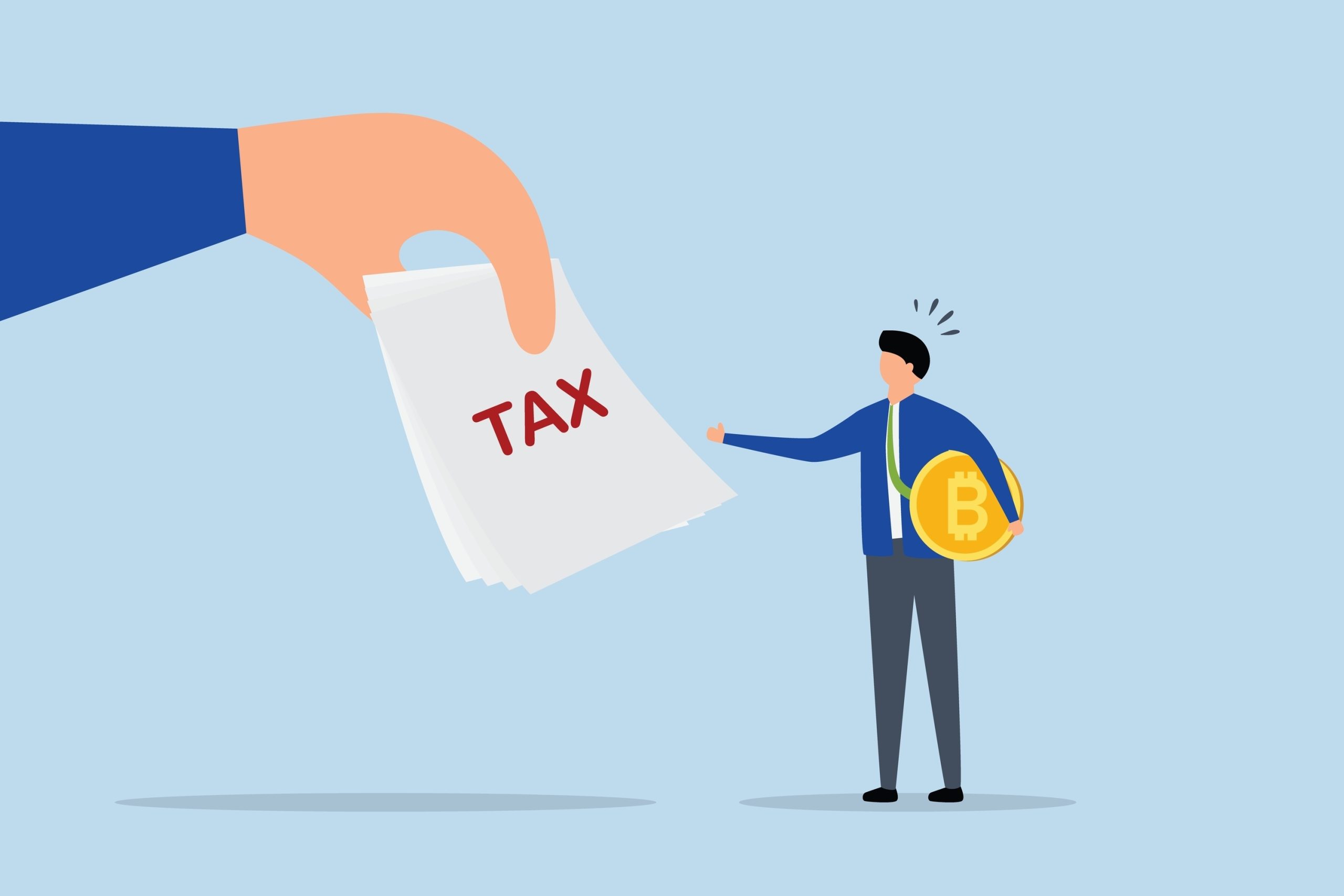
HMRC sent over 65,000 warning letters to cryptocurrency investors over the last year due to a suspected underpayment of tax.
Now, for the first time, HMRC has released figures showing how much tax has been paid from cryptocurrency alone during the crackdown.
How much tax has been paid by crypto investors?
The data shows that 17,600 taxpayers have reported £1.38bn of taxable gains in the 2024/2025 tax year.
Figures show that profits have been heavily concentrated among a small number of investors.
900 taxpayers have reported gains of over £250,000, which accounted for 70 per cent of the £1.38 billion total. The average gains for cryptocurrencies have averaged around £78,000.
This number of gains is incredible, though HMRC still suspects that there are large amounts of gains that have not been declared.
HMRC believes that the risk lies with younger crypto investors as they are not aware that they must pay tax on assets when they are sold or swapped for other currencies.
What taxes do crypto investors have to pay?
To pay tax on crypto assets, you must first calculate your gains and income and then report them to HMRC through a Self Assessment tax return.
Investors must remember that you do not owe tax for simply buying and holding cryptocurrencies in your portfolio. Instead, you pay tax when it falls into a taxable event.
The two most common tax categories are:
- Capital Gains Tax (CGT) – This tax is triggered when you dispose of any assets for a gain. This could be selling it for money, swapping one crypto for another token, using it to buy goods and services or gifting it to somebody who isn’t a spouse or charity.
- Income Tax – You must pay Income Tax when you receive crypto as income, like getting paid in crypto, earning staking rewards or when you receive mining payouts.
When working out CGT contributions, you must first subtract what you originally paid for the crypto, on top of any allowable fees, from the value of the crypto when you disposed of it.
You will then only pay CGT on any gains that exceed the tax-free allowance of £3,000.
If you are a basic rate taxpayer, you will pay an 18 per cent tax on CGT disposals and if you are a higher or additional rate taxpayer, you will pay a 24 per cent tax on CGT disposals.
Should you pay Income Tax on crypto, you must record the value of any cryptocurrency on the day that you received it.
This will then be added to your regular yearly income and will be taxed according to your Income Tax bracket.
For investors, it is always important to keep records of every trade that is made so that you can be aware of the tax that you need to pay.
How can we help?
Understanding tax on cryptocurrencies can be difficult and often people do not even realise that they need to pay tax on their crypto gains.
Our team of accountants are here to support you with that. We can advise you on what tax you will need to pay and then help you calculate and pay the tax that you need to.
In light of the recent HMRC crackdown, understanding tax on crypto assets is more important than ever.
For support with taxes on cryptocurrency, get in touch with our team.
